
Seattle’s Building Emissions Performance Standard (BEPS)
If you lease office space or operate a business in Seattle, the city’s Building Emissions Performance Standard is reshaping the commercial real estate landscape in ways that affect tenants, building owners, and anyone evaluating workspace options across King County.
Seattle’s BEPS establishes mandatory greenhouse gas emissions performance requirements for large commercial and multifamily buildings as part of the city’s broader commitment to carbon neutrality, and understanding what it requires, how it affects building operations, and what it means for businesses choosing office space in Seattle gives tenants and building owners a concrete framework for making informed decisions about their workspace.
What Seattle’s Building Emissions Performance Standard Is
Seattle’s Building Emissions Performance Standard — BEPS — is a City of Seattle regulation that establishes mandatory greenhouse gas emissions performance requirements for large commercial and multifamily buildings. The standard was adopted as part of Seattle’s broader commitment to carbon neutrality and applies to buildings over 20,000 square feet, requiring them to meet progressively stricter emissions intensity limits over defined compliance periods leading toward full decarbonization.
BEPS operates differently from traditional energy codes that set minimum efficiency standards for new construction. Rather than governing construction specifications, BEPS establishes ongoing emissions performance benchmarks that existing buildings must meet and maintain, making it a continuing operational obligation for building owners rather than a one-time compliance requirement. Seattle’s BEPS uses a building’s greenhouse gas emissions intensity, measured in kilograms of CO2 equivalent per square foot per year, as its primary compliance metric, with limits that tighten over time across multiple compliance periods.
Seattle’s BEPS compliance timeline establishes specific deadlines that building owners must meet across several phases. The first requirements apply beginning in 2027 for the largest covered buildings, extending to 2030 for smaller covered buildings. Emissions performance targets must be met between 2031 and 2035, or building owners may pursue an alternative compliance path approved by the City. Most covered buildings are expected to reach net-zero emissions between 2041 and 2050 under the full compliance trajectory.
For prospective tenants evaluating office space in Seattle, understanding where any building sits in this compliance timeline helps assess the capital investment requirements and operating cost implications that may affect the building’s economics over a multi-year lease term. The City of Seattle’s BEPS program resources publish the complete regulatory framework, compliance timelines, and building owner obligations that Seattle commercial property owners and tenants can reference when evaluating any building’s current BEPS compliance status.
How BEPS Affects Commercial Buildings and Office Space in Seattle
For Seattle businesses evaluating office space options, BEPS compliance status is becoming an increasingly relevant factor in real estate decisions — one that affects operating costs, building infrastructure investment, and the long-term sustainability of any workspace. Understanding how BEPS affects commercial buildings specifically helps tenants ask the right questions before signing a lease in any Seattle building subject to the standard.
Buildings subject to BEPS must benchmark their energy use annually through EPA’s ENERGY STAR Portfolio Manager, report their emissions performance to the City of Seattle, and achieve the emissions intensity limits that apply to their building type within each compliance period. Buildings that fail to meet their applicable emissions limits face compliance obligations that may require capital investment in building systems, including heating system electrification, energy efficiency upgrades, and renewable energy procurement, that building owners must plan and finance over the compliance timeline.
For tenants in BEPS-covered buildings, understanding the building’s current compliance trajectory helps evaluate whether the building’s operating costs and infrastructure are positioned for stable long-term operation or whether significant capital expenditure requirements may affect the building’s economics over the lease term.
The EPA’s ENERGY STAR Portfolio Manager resources document the benchmarking tool and methodology that Seattle’s BEPS program uses to measure and report building emissions performance — providing tenants with a framework for understanding how any Seattle building’s energy performance is measured.
What BEPS Means for Historic and Converted Buildings in Seattle
Seattle’s commercial real estate market includes a significant stock of historic and converted industrial buildings, including warehouses, lofts, and adaptive reuse properties that provide distinctive workspace character that new construction cannot replicate. Understanding how BEPS applies to these building types helps tenants who value historic workspace character evaluate whether their preferred building type faces specific compliance challenges or opportunities under the standard.
Historic and converted buildings often have unique energy performance characteristics, including high ceilings, large window areas, older building envelopes, and heating systems that reflect the building’s original industrial use rather than modern office construction standards. Those characteristics can create both challenges and opportunities under BEPS. Challenges arise because building envelope improvements may be constrained by historic preservation requirements or structural realities, and opportunities exist because building owners who invest in targeted system upgrades can achieve meaningful emissions reductions even in older building stock.
Washington State’s clean electricity grid, among the lowest carbon intensity grids in the United States due to its significant hydroelectric generation, means that Seattle buildings that electrify their heating systems can achieve substantial emissions reductions relatively cost-effectively compared to buildings in states with carbon-heavy electricity grids. The Washington State Clean Buildings Performance Standard resources document Washington State’s Clean Buildings Performance Standard — a separate state-level building emissions framework that operates alongside Seattle’s BEPS and applies to commercial buildings across Washington State, providing building owners with additional compliance context beyond the city-level standard.
What Seattle Tenants Should Ask About BEPS Before Signing a Lease
Understanding Seattle’s Building Emissions Performance Standard gives prospective tenants specific questions to ask any Seattle building owner or property manager before committing to a lease. These questions establish whether the building is positioned for stable, compliant operations over the lease term and whether BEPS-related capital requirements could affect the building’s economics during the tenancy:
- What is the building’s current ENERGY STAR Portfolio Manager score — and has the building owner shared its most recent annual BEPS benchmarking report with prospective tenants?
- Is the building currently meeting its applicable BEPS emissions intensity limit — or is it facing a compliance gap that will require capital investment in building systems during the proposed lease term?
- What is the building’s current primary heating fuel source — and does the building owner have a plan for electrification or emissions reduction if the building uses natural gas or other fossil fuel heating?
- Does the lease include any provisions related to BEPS compliance costs — and how does the building owner intend to finance any required emissions reduction upgrades?
- Has the building been benchmarked under ENERGY STAR Portfolio Manager — and what is its current energy use intensity relative to comparable Seattle buildings?
A Seattle building owner who can answer these questions specifically and provide current BEPS benchmarking documentation is one operating their building with the transparency and regulatory awareness that responsible commercial tenancy requires. The Seattle Office of Sustainability and Environment’s climate and building resources document the broader Seattle climate policy framework within which BEPS operates — providing tenants with context for understanding how the city’s climate commitments will continue to shape commercial building requirements over time.
Seattle Office Space in a Historic Waterfront Setting
Understanding Seattle’s Building Emissions Performance Standard gives businesses evaluating office space a meaningful additional lens for assessing any workspace, one that connects building emissions performance directly to operating cost stability and the lease decisions that determine your workspace over the long term. Northwest Work Lofts encourages prospective tenants to ask about the buildings’ current BEPS benchmarking status and compliance trajectory as part of any lease evaluation.
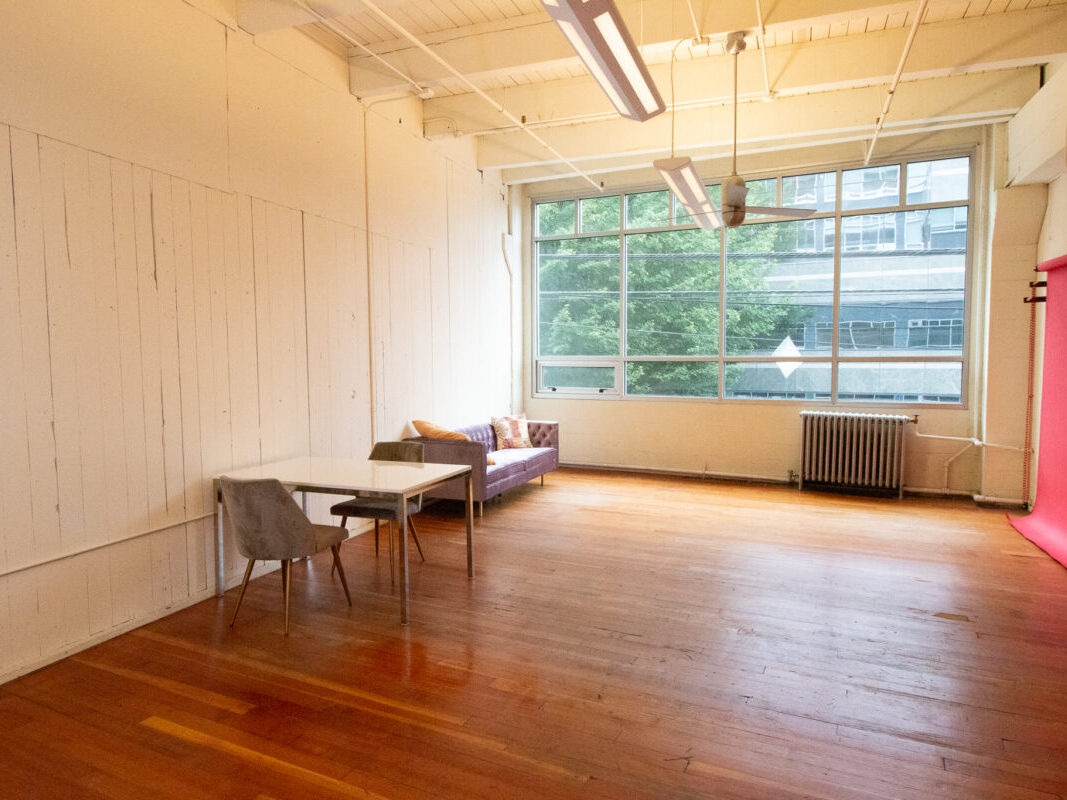
Northwest Work Lofts offers versatile converted warehouse workspace in Seattle’s historic Northwest Industrial Buildings, serving an eclectic community of artists, professionals, and entrepreneurs with soaring ceilings and Elliott Bay views across 215,197 rentable square feet.
Whether you are looking for a 1,280 RSF commercial space, a 4,294 square foot Seattle workspace, or an accessible suite that fits your team’s specific needs, our limited availability means finding your space sooner rather than later. Contact Northwest Work Lofts today and discover what historic Seattle workspace looks like for your business.
