International Building Code in Seattle Projects
Seattle’s commercial real estate market operates within one of the most carefully regulated building environments in the United States. For businesses seeking office space, creative studios, or industrial lofts, understanding the International Building Code (IBC) and how it applies to Seattle projects is essential. From structural safety to fire protection systems, the IBC shapes how office spaces are designed, renovated, and maintained.
For companies looking to lease space in historic properties like Northwest Work Lofts, knowledge of these regulations reinforces confidence that their workplace meets modern safety, accessibility, and sustainability standards. In this article, we explore how the International Building Code influences Seattle projects and what tenants and property owners should know.
Understanding the International Building Code (IBC)
The International Building Code (IBC) is developed by the International Code Council (ICC) and serves as a model code adopted across the United States. It establishes minimum requirements for building safety, structural integrity, fire prevention, egress systems, plumbing, mechanical systems, and energy efficiency.
Seattle enforces the IBC through the Seattle Construction Codes, which are administered by the Seattle Department of Construction & Inspections (SDCI). These codes are periodically updated to reflect new safety data, seismic research, and sustainability goals.
Because Seattle is located in a high seismic zone within the Pacific Northwest, local amendments to the IBC place special emphasis on:
- Seismic design categories
- Structural load requirements
- Earthquake-resistant retrofitting
- Fire-resistance ratings
- Means of egress and occupant load calculations
For office space rental agencies and commercial landlords, compliance with these standards is not optional—it is foundational to tenant safety and operational continuity.
Seismic Design and Structural Safety in Seattle
Seattle’s location near the Cascadia Subduction Zone makes seismic design a central component of building regulation. According to the U.S. Geological Survey (USGS.gov), the Pacific Northwest faces a significant probability of major seismic events within the next 50 years. Consequently, the IBC incorporates strict seismic design criteria to reduce structural failure risks.
The Federal Emergency Management Agency reports that properly enforced building codes can significantly reduce earthquake-related losses. In fact, FEMA’s Building Codes Save Study found that adopting modern building codes can prevent billions of dollars in structural damage nationwide.
For Seattle commercial properties, this translates to:
- Reinforced foundations and shear walls
- Steel moment frames
- Retrofitting of unreinforced masonry buildings
- Upgraded structural connections
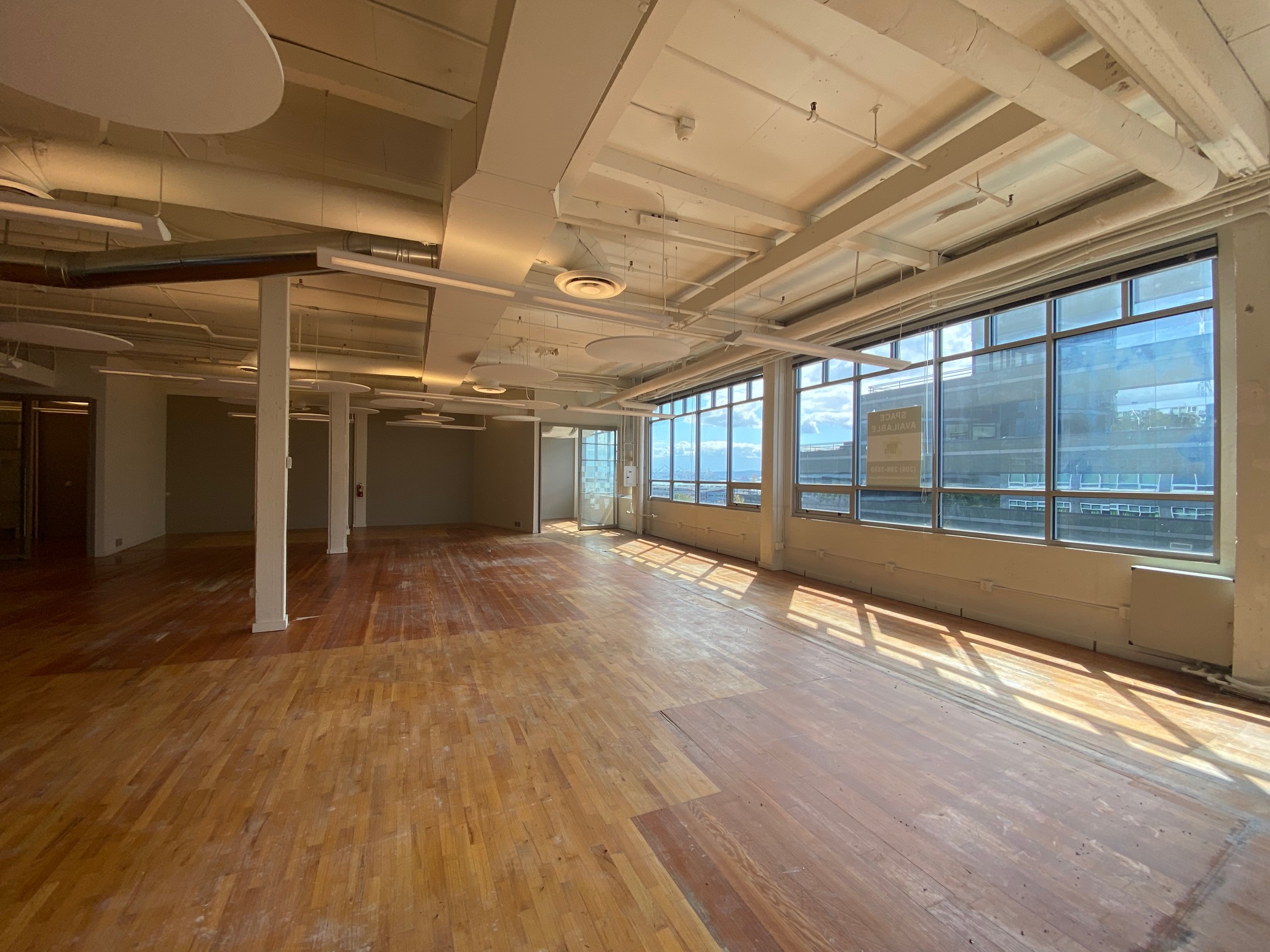
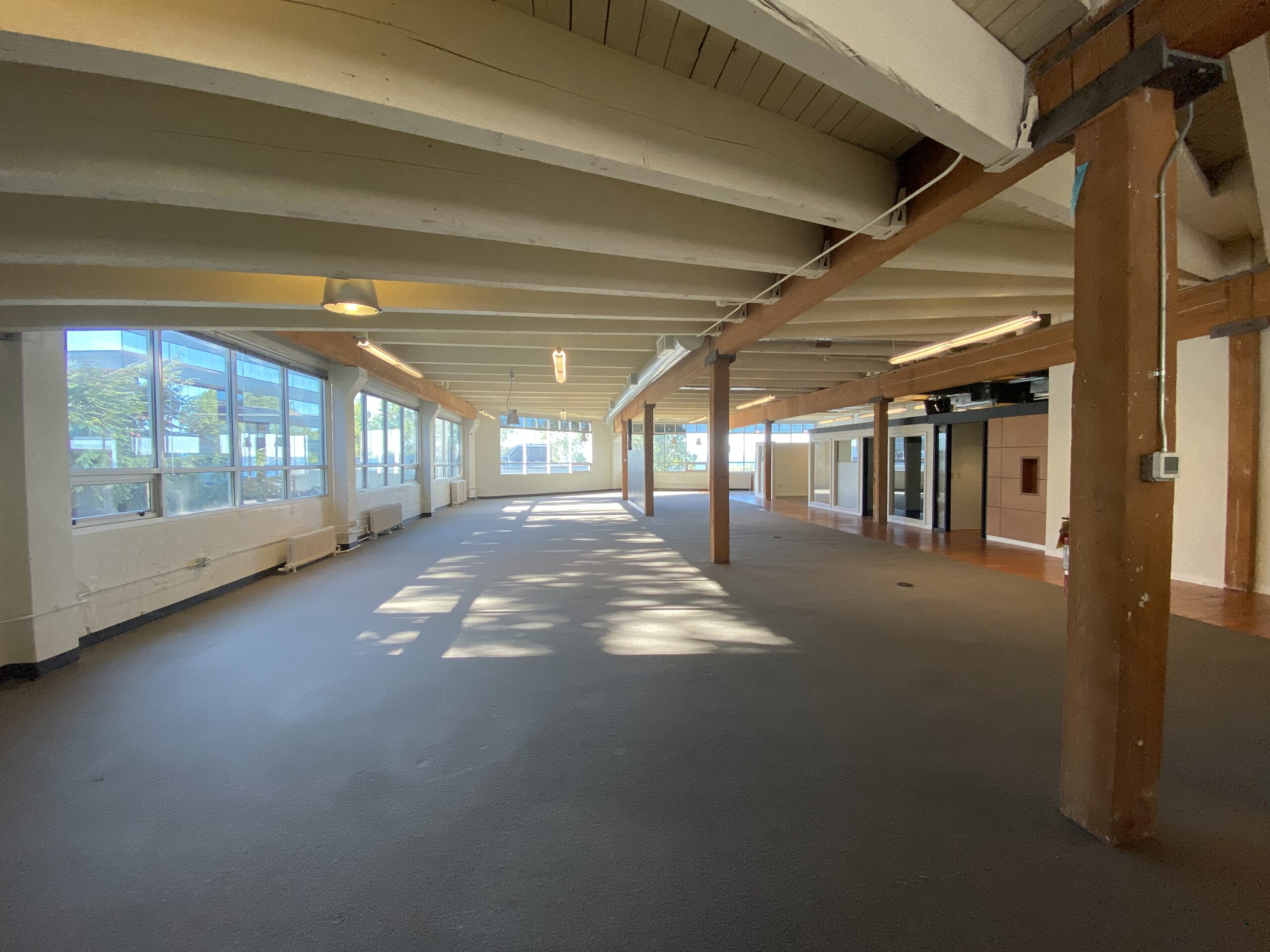
Historic warehouse conversions—such as those offering industrial work lofts—often undergo seismic upgrades to meet modern code requirements while preserving architectural character. This balance between historic preservation and structural compliance is a hallmark of well-managed Seattle commercial properties.
Fire Safety and Life Safety Systems
Fire safety remains one of the most critical components of the IBC. The code integrates standards from the National Fire Protection Association to regulate:
- Automatic sprinkler systems
- Fire alarm systems
- Fire-resistance-rated construction
- Smoke control systems
- Emergency lighting and exit signage
Seattle commercial office spaces must meet strict occupant load and means of egress requirements. These provisions ensure tenants can evacuate safely during emergencies.
Research from the National Institute of Standards and Technology highlights that properly designed fire suppression and alarm systems dramatically reduce fatalities and property damage. Therefore, when leasing office space in Seattle, businesses should prioritize properties that demonstrate full compliance with fire and life safety standards.
For creative studios, co-working environments, and mixed-use office lofts, these safety features are particularly important because occupant density and flexible layouts require careful design review under IBC guidelines.
Accessibility and ADA Compliance
In addition to structural and fire safety standards, Seattle projects must comply with accessibility requirements under the Americans with Disabilities Act and related IBC provisions. The IBC includes detailed standards for:
- Accessible entrances
- Elevator access
- Restroom accommodations
- Door widths and maneuvering clearances
- Parking accessibility
The U.S. Access Board provides federal guidelines that influence local code enforcement. For office space rental agencies, ADA compliance is not only a legal obligation but also a key factor in creating inclusive work environments.
Seattle businesses increasingly prioritize accessibility as part of corporate social responsibility initiatives. Leasing space in a code-compliant building demonstrates a commitment to equitable workplace design.
Energy Efficiency and Sustainable Building Standards
Seattle has positioned itself as a leader in sustainability. The city enforces the Seattle Energy Code, which aligns with and strengthens provisions within the IBC. These regulations address:
- Insulation and building envelope performance
- HVAC efficiency
- Lighting power density
- Ventilation standards
- Energy benchmarking
According to the U.S. Department of Energy, commercial buildings account for approximately 18% of total U.S. energy consumption. Updated building codes significantly reduce operational energy use and greenhouse gas emissions.
Additionally, many Seattle commercial projects pursue certifications such as:
- LEED (Leadership in Energy and Environmental Design)
- ENERGY STAR certification
- Washington State Clean Buildings Standard compliance
For tenants, this means lower utility costs, improved indoor air quality, and enhanced employee comfort. For property owners, it strengthens asset value and long-term market competitiveness in Seattle’s commercial real estate landscape.
Change of Occupancy and Tenant Improvements
When businesses move into a new office space, tenant improvements (TIs) often trigger IBC compliance reviews. The code regulates:
- Change of occupancy classifications
- Interior build-outs
- Structural modifications
- Mechanical and electrical system upgrades
For example, converting a warehouse into creative office lofts may require updated sprinkler systems, upgraded restrooms, or structural reinforcement. The Seattle Department of Construction & Inspections requires permits and inspections to verify that renovations meet current building codes. This ensures tenant safety while maintaining property integrity.
For business owners, partnering with a knowledgeable landlord or property manager simplifies this process. Experienced office space providers understand Seattle permitting requirements and coordinate inspections efficiently.
Why Building Code Compliance Matters for Office Space Tenants
Strong adherence to the International Building Code signals professionalism, safety, and long-term reliability. In a competitive market like Seattle, companies evaluating office space rental agencies should consider:
- Structural resilience
- Code-compliant renovations
- Energy efficiency
- Fire protection systems
- Accessibility standards
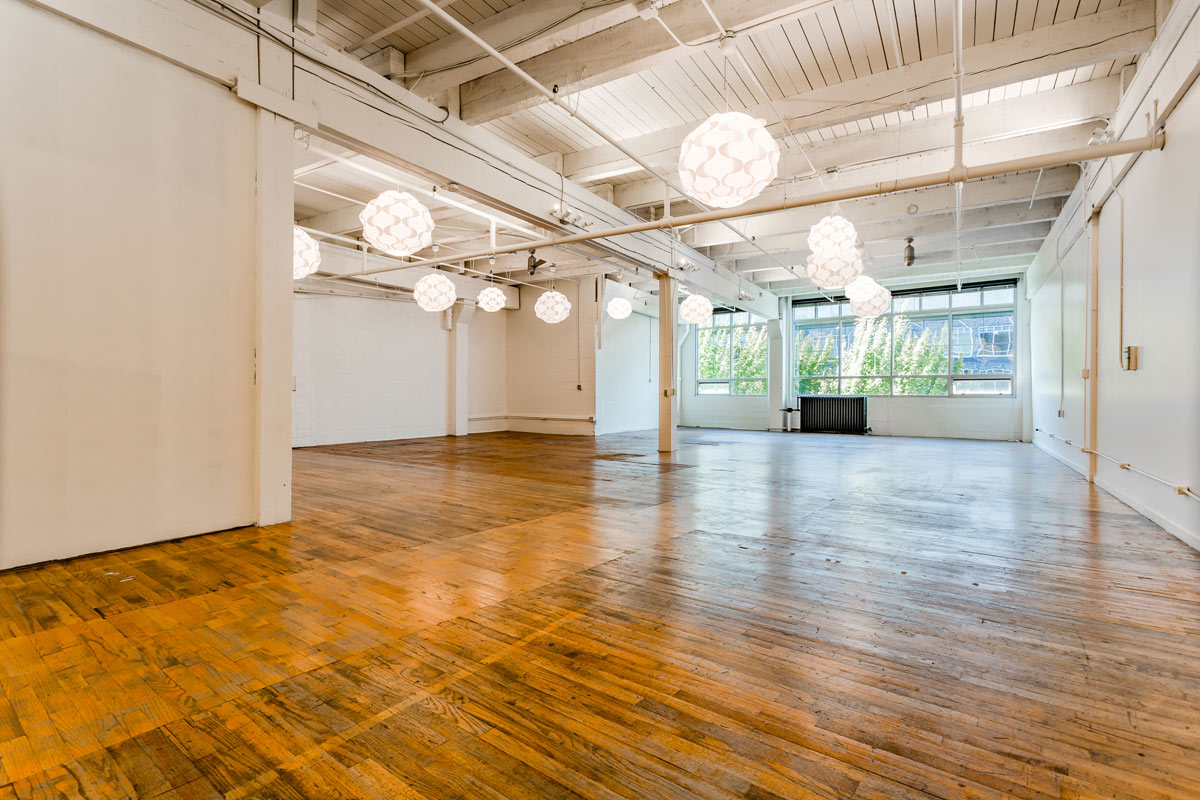
Moreover, buildings that meet or exceed IBC standards are often better positioned to withstand regulatory changes and environmental challenges. For entrepreneurs, artists, attorneys, and small businesses operating in Seattle’s industrial loft spaces, code compliance translates into peace of mind.
Work with Seattle Experts Who Understand the International Building Code
At Northwest Work Lofts, we operate within Seattle’s rigorous construction and safety standards while preserving the historic charm of our warehouse-style buildings. Owned and managed by the Andrews family since the late 1930s, our 215,197 rentable square feet of commercial space reflects decades of responsible stewardship and modernization.
Our spaces combine:
- Historic industrial architecture
- Seismic-conscious upgrades
- Fire safety compliance
- ADA-accessible features
- Energy-conscious improvements
Located near Elliott Bay, our vibrant community of artists, professionals, and entrepreneurs benefits from thoughtfully maintained, code-compliant work lofts in Seattle.
Contact Northwest Work Lofts for Code-Compliant Office Space in Seattle
If you’re searching for office space in Seattle that aligns with International Building Code standards and modern safety regulations, explore Northwest Work Lofts. With limited availability and 80–85% occupancy, our distinctive industrial office spaces continue to attract businesses that prioritize safety, compliance, and character.
Our expertly maintained work lofts are designed to support your company’s growth while meeting the building code standards that matter most.
Contact our Seattle team to schedule a tour and secure your space today.
