
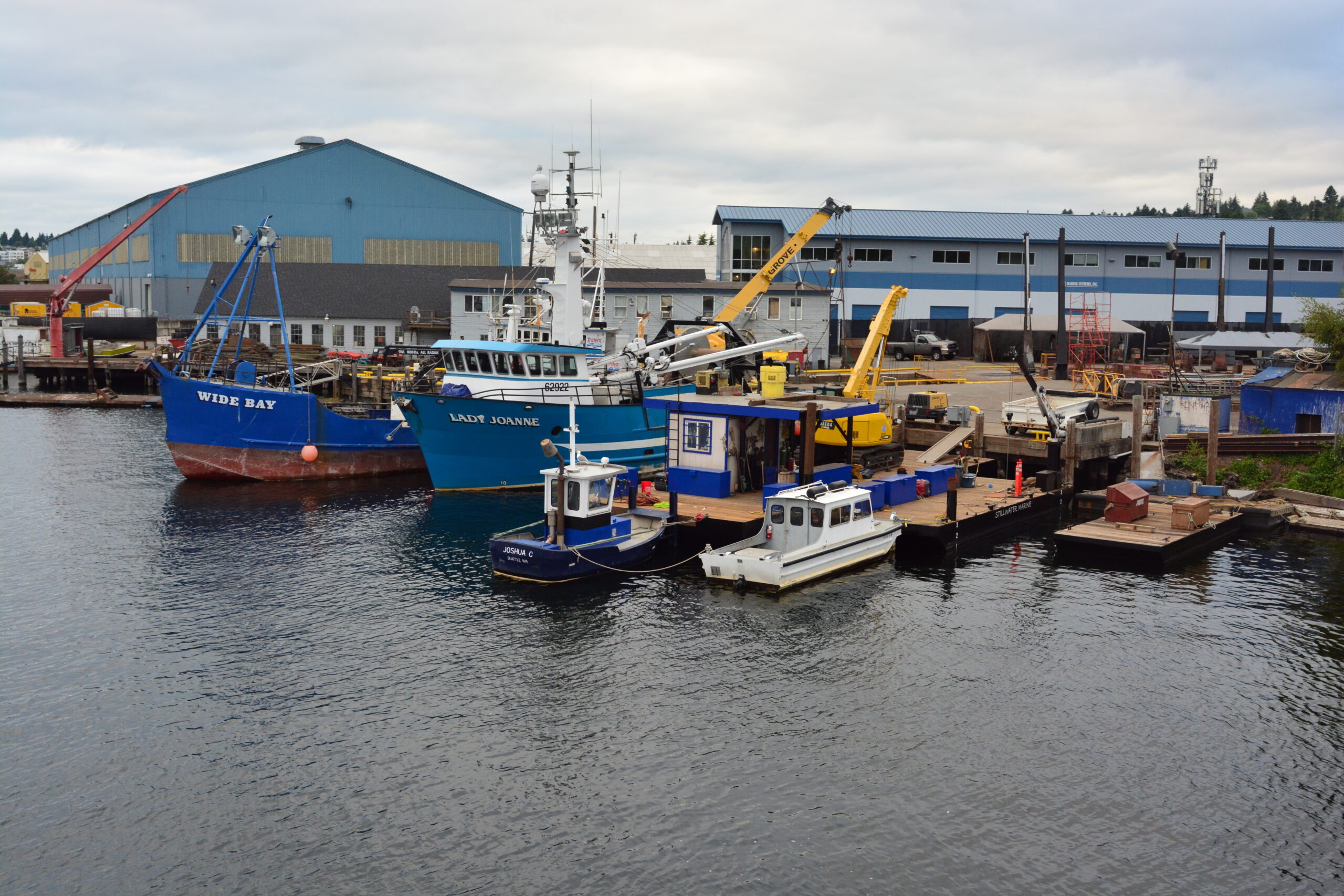
Ballard’s Industrial to Creative Transformation
Ballard is one of Seattle’s most historically grounded neighborhoods — a community whose Norse fishing village origins, century-old industrial infrastructure, and contemporary creative economy tell a story of urban transformation that plays out visibly on every block between the Ship Canal and the Locks. Located in the northwest corner of Seattle along Shilshole Bay and the Lake Washington Ship Canal, Ballard developed in the late nineteenth century as a Scandinavian immigrant settlement built around salmon fishing, shipbuilding, and the timber industry that fed the mills lining the waterfront.
That industrial foundation shaped the physical character of the neighborhood for a century — leaving behind a dense inventory of brick warehouses, maritime service buildings, and light manufacturing facilities that have proven remarkably adaptable to the creative, technology, and small business uses that have redefined Ballard’s economic identity over the past three decades.
A Layered Neighborhood: Old Industry and New Creative Economy
The neighborhood’s transition from industrial to creative economy is not unique in American urban geography — comparable transformations have reshaped Brooklyn’s DUMBO district, Portland’s Pearl District, and Chicago’s West Loop — but Ballard’s version carries the specific texture of Seattle’s maritime and fishing heritage in ways that distinguish it from similar stories elsewhere. The converted warehouse that houses a craft brewery sits beside the chandlery that has supplied fishing boats for a hundred years.
The artist studio occupies a building whose loading dock still faces the canal. These layered uses — old industry and new creative economy coexisting on the same block — give Ballard an authenticity that purpose-built creative districts rarely achieve and that residents and visitors consistently identify as the neighborhood’s defining quality.
Ballard’s Industrial Heritage and the Ship Canal
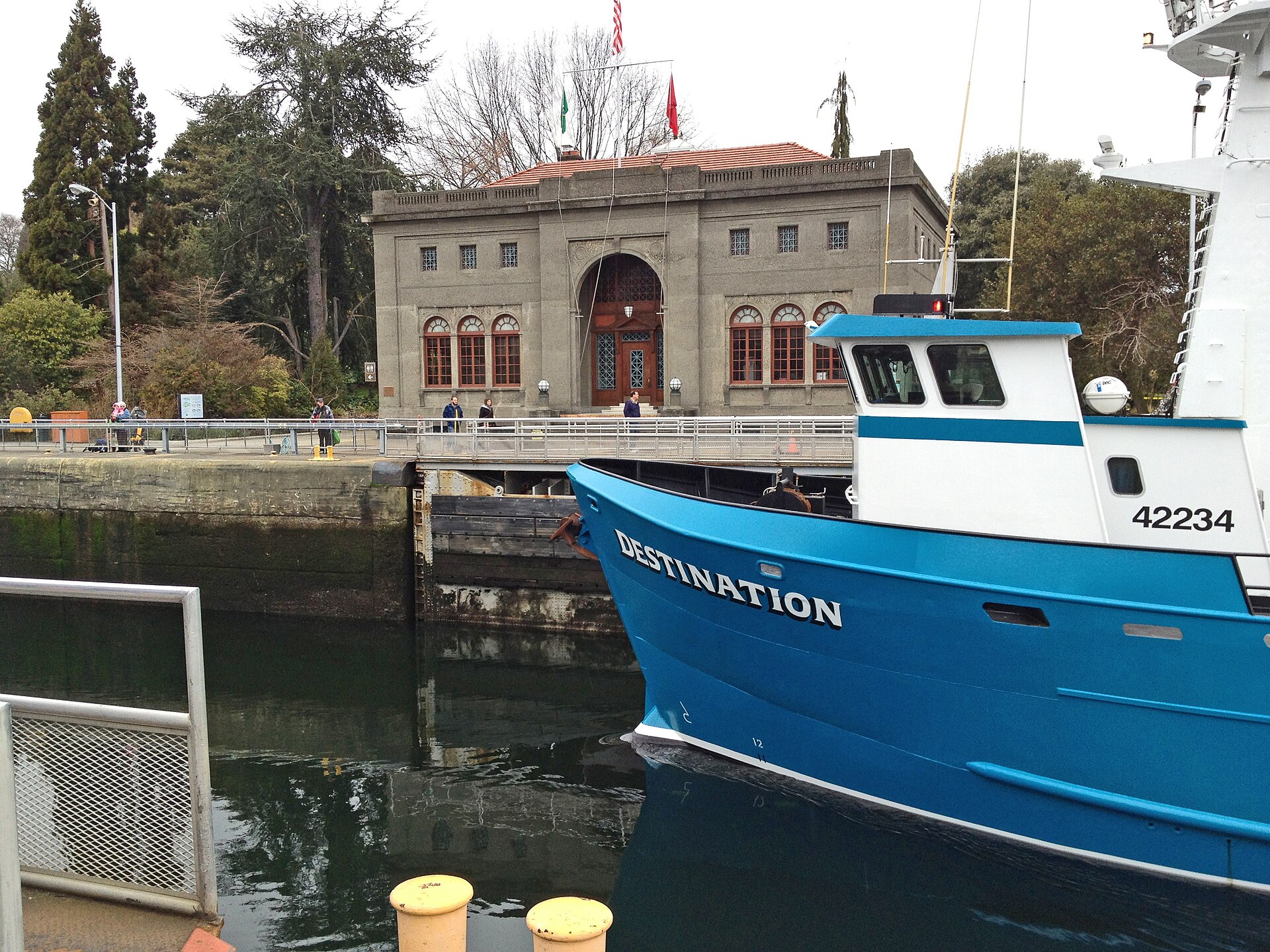
The Lake Washington Ship Canal — completed in 1917 as a federal waterway project connecting Puget Sound to Lake Washington through Lake Union — transformed Ballard’s waterfront from a tidal estuary into one of the busiest commercial waterways in the Pacific Northwest.
The canal’s construction created the Ballard Locks — formally the Hiram M. Chittenden Locks — which regulate water levels between the salt water of Puget Sound and the fresh water of the Lake Washington system and have operated continuously since 1917 as a working piece of federal infrastructure that also functions as one of Seattle’s most visited public attractions.
The industrial economy that developed along the canal during the first half of the twentieth century included commercial fishing operations, boat repair and boatbuilding yards, net lofts, fish processing facilities, and the supporting supply and service businesses that a working waterfront generates.
This maritime industrial complex employed thousands of Ballard residents and created the dense neighborhood fabric of working-class housing, neighborhood commercial streets, and industrial waterfront that defines the area’s built environment today. The U.S. Army Corps of Engineers administers the Hiram M. Chittenden Locks and maintains extensive historical documentation of the canal’s construction and its economic impact on Ballard and the broader Seattle waterfront.
The Adaptive Reuse Wave and Creative Economy
The economic shifts of the late twentieth century — the contraction of commercial fishing, the consolidation of maritime industry, and the decline of light manufacturing in urban cores across the American West — left Ballard with substantial vacant and underutilized industrial building stock at precisely the moment when Seattle’s emerging technology and creative sectors were generating demand for non-traditional workspace.
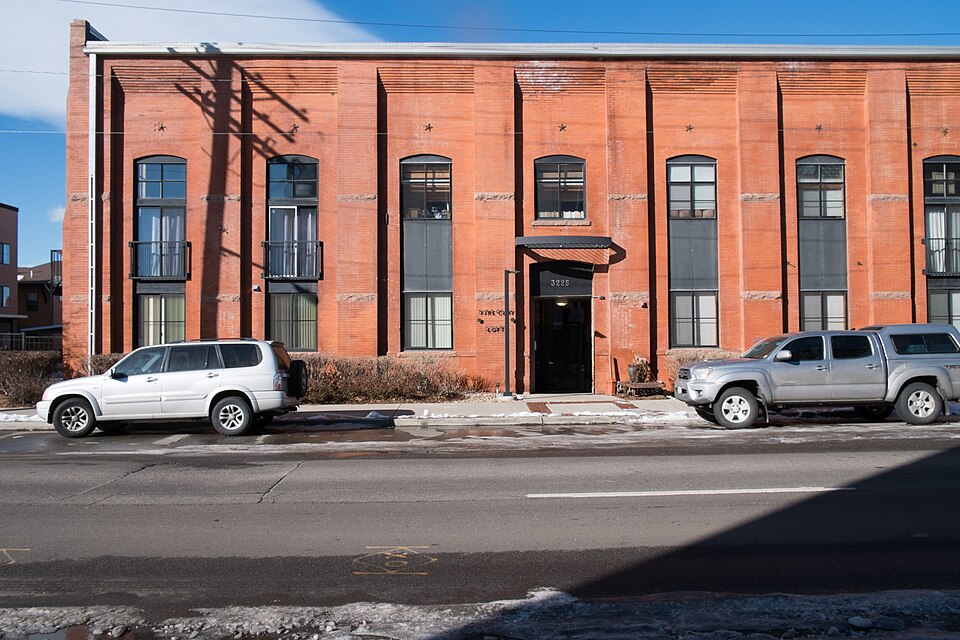
Adaptive reuse — the conversion of existing buildings to new uses rather than demolition and replacement — proved both economically rational and culturally resonant in Ballard, where the industrial character of warehouse buildings aligned naturally with the aesthetic preferences of the creative workers and small businesses that began occupying them.
The Ballard Annex, the various converted warehouse complexes along NW Market Street and Leary Avenue, and the industrial buildings repurposed into breweries, distilleries, studios, and maker spaces along the canal corridor all reflect this adaptive reuse pattern.
The Washington State Department of Commerce tracks the creative economy’s contribution to Washington State’s economic output, documenting the growth of arts, design, technology, and creative services industries that have concentrated in neighborhoods like Ballard across the Seattle metropolitan area.
Ballard’s creative transformation mirrors patterns visible across Seattle’s urban core — the Fremont creative corridor to the east shares Ballard’s combination of adaptive reuse buildings and independent creative business culture, reflecting the broader pattern of Seattle neighborhoods reinventing their industrial heritage for contemporary economic use.
Seattle’s Climate and Ballard’s Indoor Creative Culture
Seattle’s marine west coast climate — characterized by mild, wet winters with average January lows near 37°F, overcast skies from October through March, and the relatively dry, warm summers that make the Pacific Northwest genuinely beautiful from June through September — has shaped Ballard’s indoor creative culture in ways that are specific to this corner of the country.
According to NOAA climate data for Seattle, the city averages over 37 inches of annual precipitation, with the long gray wet season creating the indoor-oriented social and creative culture that Seattle residents have developed as a response to their climate over generations.
Ballard’s density of indoor creative venues — the breweries, music clubs, studios, galleries, and co-working spaces that activate the neighborhood’s converted industrial buildings year-round — reflects this indoor orientation.
The wet season that limits outdoor commercial activity from October through May makes quality indoor spaces a premium amenity for the creative workers, small businesses, and community organizations that sustain Ballard’s cultural economy. This climate-driven indoor orientation has historically supported the kind of dense creative clustering that makes neighborhoods like Ballard attractive to the same workers and businesses that drive Seattle’s knowledge economy more broadly.
The Ballard Arts and Makers District
The concentration of craft production, visual arts, and maker culture in Ballard has given the neighborhood a distinct identity within Seattle’s creative geography — one that connects the handcraft traditions of the maritime industry to the contemporary maker movement that has emerged in cities across the country.
Breweries, distilleries, woodworking studios, metalworking shops, ceramics studios, and the range of small-batch production businesses that occupy Ballard’s industrial buildings reflect a continuity of making that links the neighborhood’s past to its present in ways that purely service or technology-oriented creative districts do not.
The Seattle Office of Arts & Culture has documented Ballard’s role in Seattle’s creative economy through its Creative Economy Initiative, which tracks the concentration of creative businesses, employment, and cultural infrastructure across Seattle’s neighborhoods.
Capitol Hill’s independent business community reflects the same creative economy dynamics from a different neighborhood vantage point — the Capitol Hill small business community demonstrates how Seattle’s distinct urban neighborhoods have each developed their own version of creative and independent commercial identity, with Ballard’s maker-focused industrial heritage distinguishing it from Capitol Hill’s more retail and arts-oriented commercial character.
Ballard’s Future in Seattle’s Urban Landscape
Ballard faces the same pressures that have reshaped comparable creative neighborhoods across American cities — rising commercial rents driven by the neighborhood’s desirability, residential densification that is transforming the housing stock surrounding the industrial and commercial core, and the tension between the neighborhood’s authentic industrial-creative character and the development economics that favor higher-density replacement over adaptive reuse preservation.
The Seattle Office of Planning & Community Development has developed an urban design framework for Ballard that attempts to guide growth in ways that preserve the neighborhood’s character while accommodating the residential and commercial density that Seattle’s growth pressures demand.
These planning conversations reflect a genuine community investment in protecting what makes Ballard distinctive within Seattle’s urban geography — the combination of working waterfront, converted industrial fabric, and authentic creative economy that no amount of purpose-built development can replicate.
The University District’s growing office and workspace demand — documented through the University District office market — reflects the same broader Seattle pattern of neighborhood-level workspace evolution that is reshaping how workers and businesses choose where to locate across the city. Those exploring the full range of workspace, community, and creative infrastructure across Seattle Washington will find that Ballard’s ongoing transformation offers one of the most compelling neighborhood-scale stories in the city’s contemporary urban history.


.jpg)