
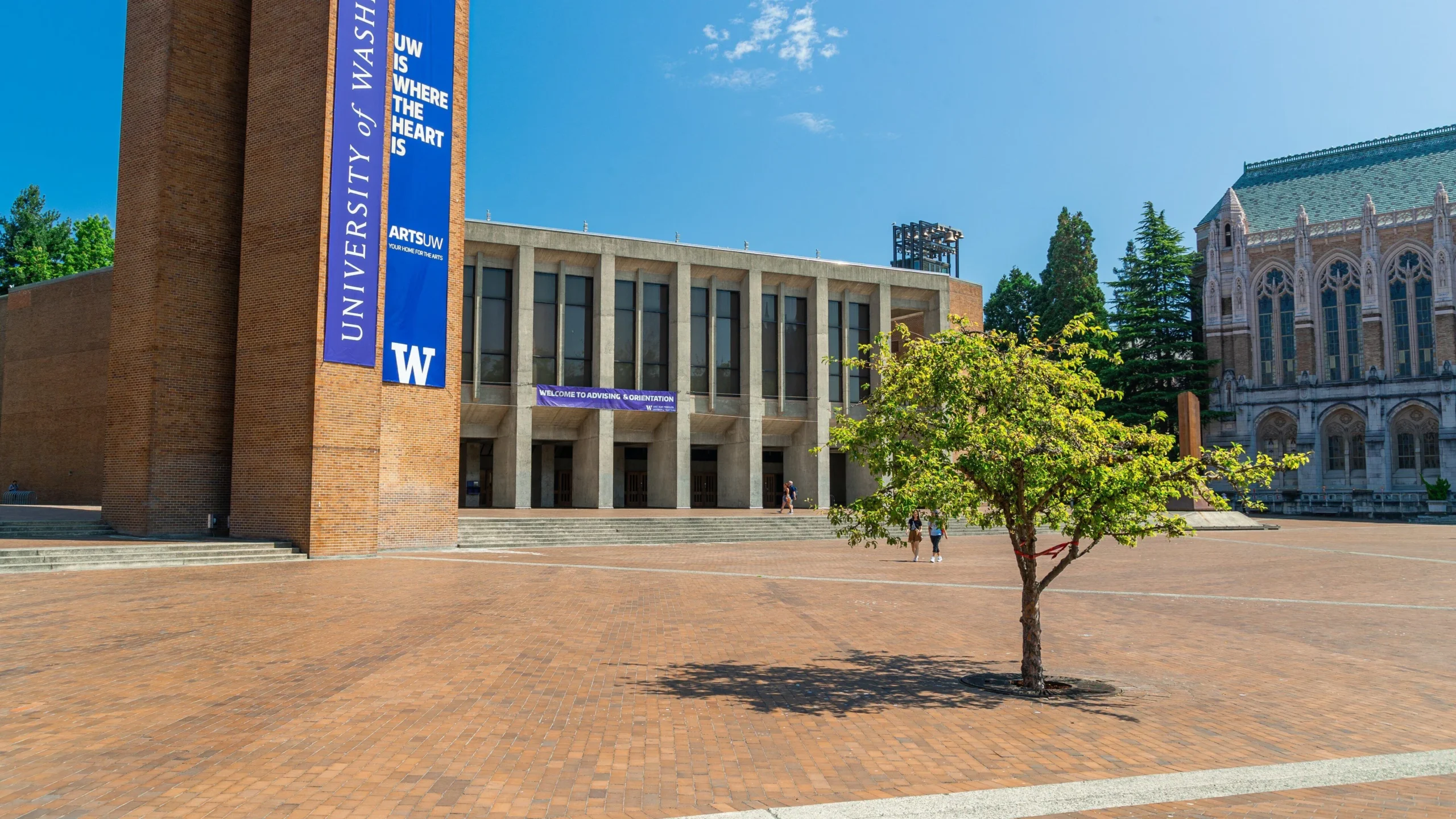
Seattle’s University District and the Growing Demand for Office Space
Seattle’s University District — known locally as the U District — has undergone a quiet but unmistakable transformation over the past decade. Once defined almost entirely by student life and campus activity, the neighborhood now attracts a wider mix of tenants, from early-stage technology firms to established research organizations looking for proximity to the University of Washington. This shift reflects broader patterns in how Seattle’s knowledge economy is evolving, and understanding those patterns helps explain why demand for office and flexible workspace in the area has risen sharply.
A Neighborhood Reshaped by Transit and Zoning
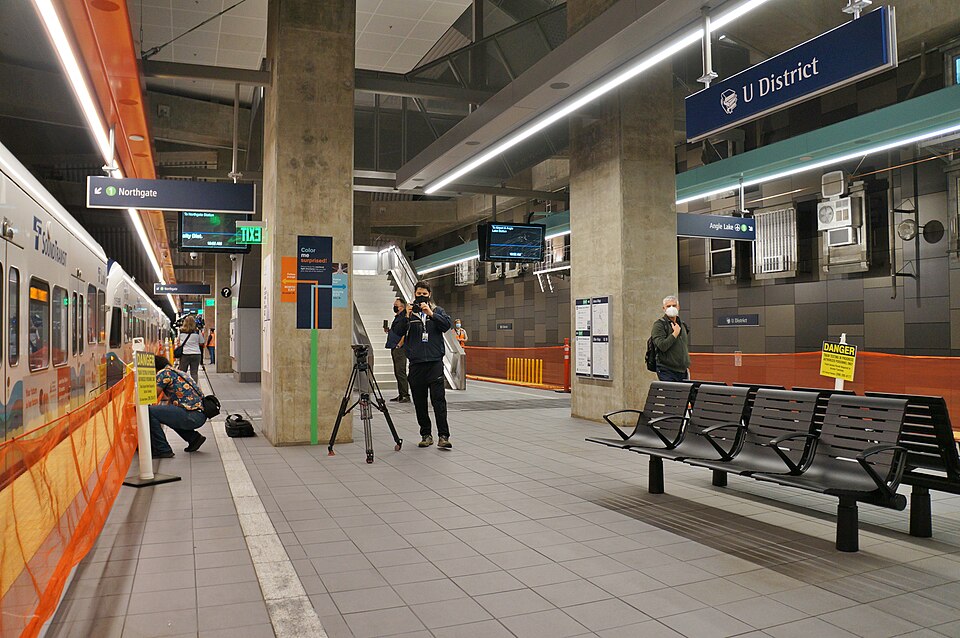
The opening of the U District Link light rail station in 2021 marked a turning point for the neighborhood’s commercial viability. Direct rail access to downtown Seattle reduced commute friction significantly, making the area attractive to employers who might previously have defaulted to South Lake Union or Belltown. Within a year of opening, new mixed-use development proposals clustered around the station, signaling developer confidence in the corridor’s long-term trajectory.
Seattle’s Mandatory Housing Affordability (MHA) upzones — adopted as part of the city’s Housing Affordability and Livability Agenda — also rezoned large portions of the U District for taller, denser development. The resulting building envelope changes created new floor plates suitable for commercial and office tenants alongside residential uses. Zoning designations in the area now include NC3P-85 and SM-U zones that explicitly anticipate mixed commercial activity.
The University of Washington as an Economic Anchor
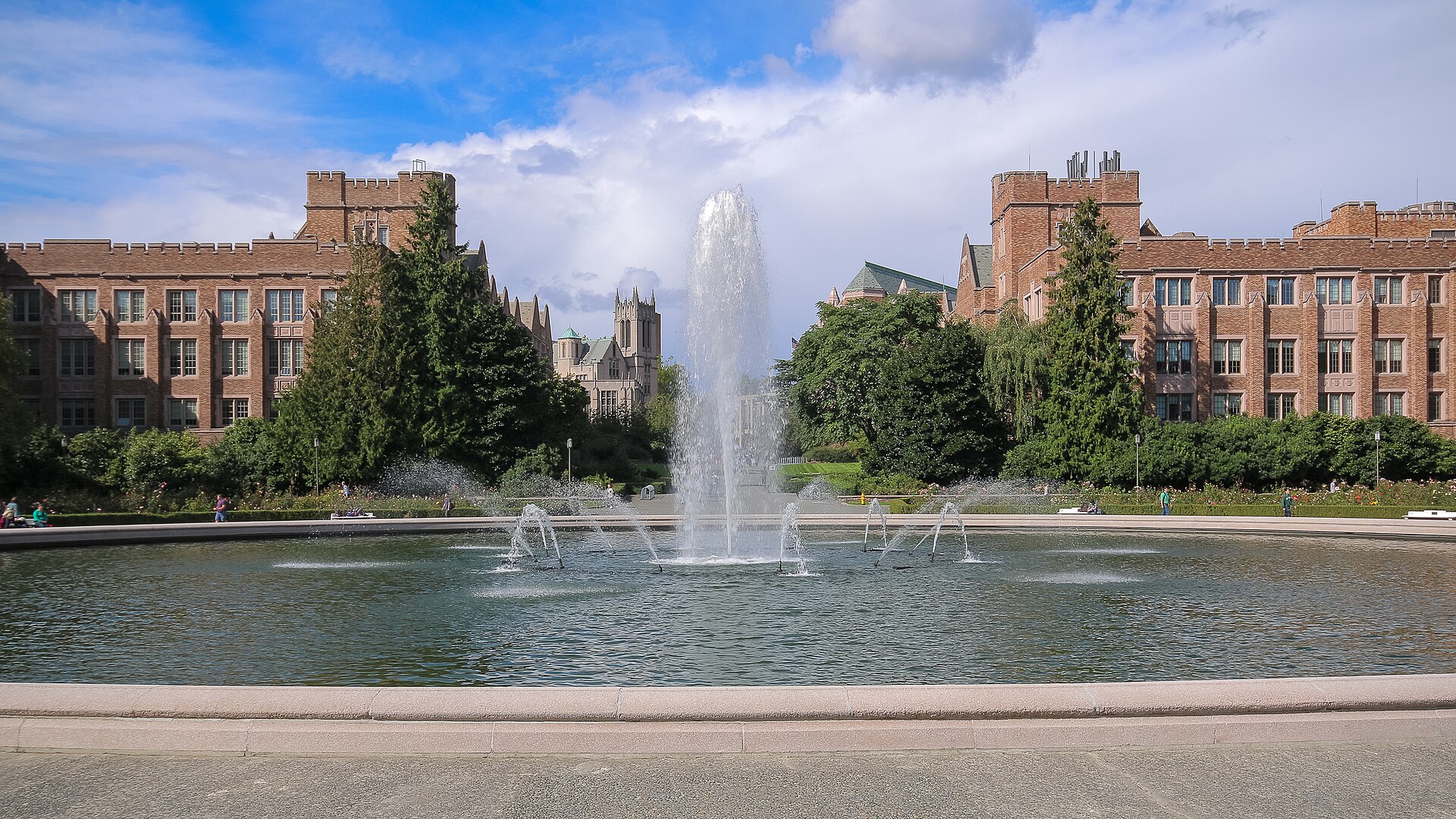
The University of Washington consistently ranks among the top research universities in the country, generating over $1.5 billion in research expenditures annually according to the National Science Foundation’s Higher Education Research and Development survey. That volume of research activity produces a continuous stream of spinout companies, licensing opportunities, and industry partnerships — all of which require physical space near campus to function efficiently.
Organizations working in life sciences, data science, environmental technology, and artificial intelligence increasingly seek offices within walking distance of UW facilities. The CoMotion innovation hub on campus actively connects researchers with commercial partners, and many of those partnerships eventually require dedicated office space outside the university’s own walls. The result is a persistent, underlying demand for professional workspace that is somewhat insulated from broader economic cycles.
Seasonal Patterns and Workspace Demand
Seattle’s climate — characterized by mild, wet winters and relatively dry summers — creates a distinctive seasonal rhythm in workspace usage. The Pacific Northwest’s gray skies from October through April tend to discourage the kind of informal outdoor work common in sunnier cities, pushing more knowledge workers indoors for longer stretches. This makes access to well-designed, climate-controlled office environments more valuable than in regions with year-round favorable weather.
The academic calendar adds another layer to this seasonality. Demand for shared and flexible workspace in the U District tends to ease slightly over summer months when the student population thins, then tightens again in the fall as thousands of students, faculty, and affiliated researchers return. Startups and small teams that depend on proximity to UW talent pipelines often plan their leasing decisions around this cycle.
Flex and Coworking Space in the U District Context
Why Traditional Leases No Longer Dominate
Traditional commercial leases — typically structured as multi-year, full-floor commitments — have lost ground to flexible workspace models across Seattle’s submarkets, and the U District is no exception. According to JLL’s office market research, flexible office space absorption has outpaced traditional leasing in several Seattle submarkets as tenants prioritize adaptability over locked-in square footage. For early-stage companies and research-adjacent teams, this flexibility directly reduces financial risk.
Month-to-month and short-term lease structures allow teams to scale space in response to funding rounds, project completions, or headcount changes — all of which happen faster and less predictably in innovation-adjacent environments than in established corporate settings.
What Tenants in the Area Typically Prioritize
Tenants drawn to the University District tend to weigh a distinct set of factors when evaluating workspace options:
- Proximity to UW campus buildings, libraries, and research facilities
- Access to transit, particularly the light rail station and the Burke-Gilman Trail for cyclists
- High-speed internet infrastructure suited to data-intensive research and development work
- Availability of meeting rooms and private offices within a shared environment
- Neighborhood walkability, with access to dining and services for teams working long hours
These priorities differ somewhat from tenants in South Lake Union or Capitol Hill, where proximity to larger tech employers and nightlife tends to rank higher. The U District’s tenant profile skews toward researchers, consultants, and small technology teams rather than satellite offices of enterprise-scale companies.
Office Vacancy and Market Conditions in Seattle’s Submarkets
Seattle’s broader office market has faced elevated vacancy since 2020, largely driven by the remote work transition and a slowdown in large tech leases. By mid-2024, citywide office vacancy hovered above 20 percent according to CBRE’s Seattle office figures. However, smaller, flexible, and amenity-rich spaces have performed better than large-format class-A towers, particularly in submarkets where demand is driven by smaller tenants.
The U District’s relatively limited existing office inventory — much of the neighborhood’s square footage is residential or mixed-use — means that well-located commercial space there faces less direct competition than equivalent offerings downtown. New supply remains constrained by construction costs and permitting timelines, which tends to support stable occupancy for existing quality buildings.
For those researching workspace options in the area, the Fremont neighborhood’s office market and the Belltown workspace landscape provide useful comparative context, as each Seattle submarket carries its own distinct tenant profile and pricing dynamics.


