
Washington State Department of Commerce Real Estate Data
Seattle’s commercial real estate market doesn’t operate in a vacuum — it’s shaped by state-level economic data, regional employment trends, and the policy frameworks that Washington’s Department of Commerce tracks and publishes. For small business owners, independent professionals, and creative entrepreneurs evaluating office and workspace options in Seattle, understanding what that data reveals about the city’s commercial real estate landscape gives you a more informed foundation for every leasing decision you make.
The numbers behind Seattle’s market tell a story that affects where you lease, what you pay, and what your options actually look like in today’s environment.
What the Washington State Department of Commerce Tracks
The Washington State Department of Commerce is the state agency responsible for economic development, business climate research, and commercial real estate data across Washington’s diverse regional markets. The Department tracks employment growth, industry sector trends, commercial vacancy rates, and small business conditions that collectively paint a picture of how Seattle’s office market is performing and where it’s headed.
For Seattle specifically, Department of Commerce data reflects the city’s post-pandemic commercial real estate transformation — a market that has seen significant shifts in office demand, vacancy rates, and the types of spaces that tenants are actively seeking.
The Washington State Department of Commerce economic development data publishes business climate reports and regional market conditions that Seattle tenants can reference when evaluating whether the current market favors negotiation, what comparable spaces are leasing for, and which neighborhoods are experiencing the strongest or weakest demand. That data context matters whether you’re signing a long-term lease or evaluating a flexible month-to-month workspace arrangement.
Seattle’s Commercial Real Estate Landscape After 2020
Seattle’s office market has undergone more structural change in the past five years than in the previous two decades combined. Remote and hybrid work adoption, major employer space consolidations, and the migration of some tech sector activity to suburban markets have collectively pushed downtown Class A office vacancy rates to levels not seen since the early 2000s.
That vacancy pressure has created a tenant-favorable environment in certain market segments — but it has also obscured the fact that smaller, flexible, and character-rich workspace options in established neighborhoods remain in high demand among the independent professionals and small businesses that drive Seattle’s entrepreneurial economy.
The BLS Seattle metro area employment data tracks the sector-by-sector employment trends that drive commercial real estate demand across King and Snohomish counties — showing which industries are growing or contracting and what that means for workspace demand among independent professionals and small businesses.
Independent professionals, creative services, legal, and personal services sectors — exactly the tenant mix that fills flexible work loft environments — have maintained stronger demand for physical workspace than large corporate tech employers whose space footprints contracted significantly post-2020. Understanding which employment sectors are growing or contracting in Seattle helps small business owners evaluate the workspace market with the same rigor that institutional real estate investors apply.
What Washington State Data Reveals About Small Business Workspace Needs
Washington State’s small business ecosystem is one of the most dynamic in the country — and its workspace needs differ significantly from those of large corporate tenants that dominate headline commercial real estate reporting.
The SBA’s Washington district small business resources document that small businesses represent the overwhelming majority of Washington employers — with most operating with fewer than ten employees and requiring workspace solutions that match their scale, flexibility, and budget constraints.
For Seattle small business owners — artists, attorneys, hairstylists, consultants, and other independent professionals — the commercial real estate data that matters most isn’t the downtown Class A vacancy rate. It’s the availability of affordable, flexible, community-oriented workspace in established neighborhoods where their clients can reach them and their professional networks already exist.
That segment of the market operates differently from corporate leasing, responds to different demand drivers, and requires a different evaluation framework than what most commercial real estate reporting covers.
How Seattle’s Historic Building Stock Supports Independent Business
Seattle’s inventory of historic industrial and warehouse buildings — concentrated in neighborhoods like Interbay, SoDo, Ballard, and the waterfront corridor — represents a distinct segment of the commercial real estate market that Washington State’s economic development data consistently identifies as a stable contributor to small business vitality.
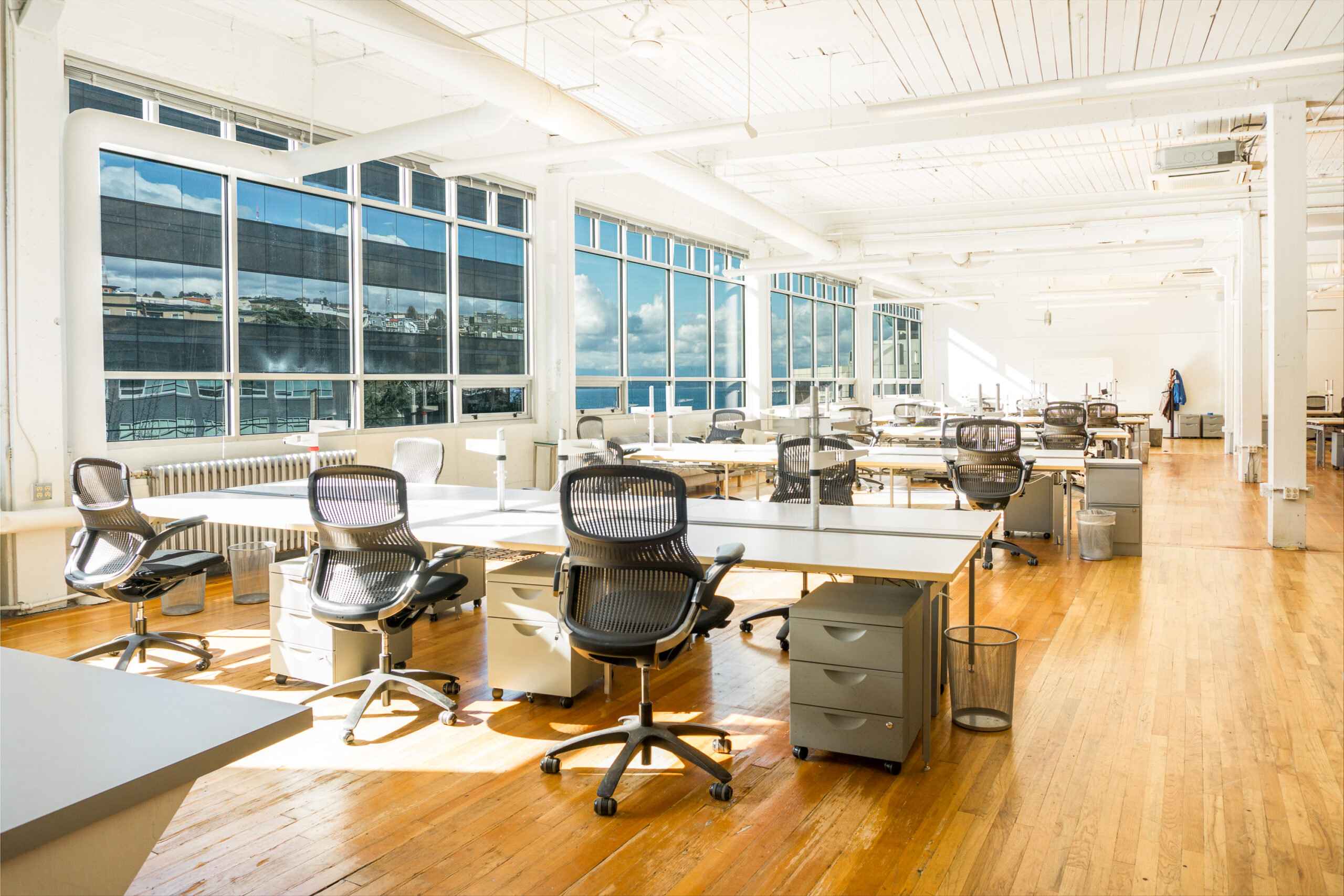
These buildings offer attributes that purpose-built Class A office towers cannot replicate: soaring ceilings, natural light, character, and a community of diverse tenants that generates the kind of ambient professional network that independent business owners benefit from daily.
The Washington State Historic Preservation Office documents the economic contribution of historic building rehabilitation to neighborhood vitality and small business ecosystems — reinforcing why converted warehouse and industrial loft space plays a distinct and durable role in Seattle’s commercial real estate landscape.
For small business tenants evaluating workspace options, historic buildings offer something that generic Class B office space rarely provides: a physical environment that signals authenticity, craftsmanship, and community — qualities that matter to clients, collaborators, and the professionals who choose to work there.
Seattle Workspace With a History and a Community Behind It
Understanding Washington State’s commercial real estate data gives Seattle small business owners a broader market context for their workspace decisions — and that context makes clear that the most interesting and durable workspace options in this city aren’t always the ones that show up in commercial real estate headlines.
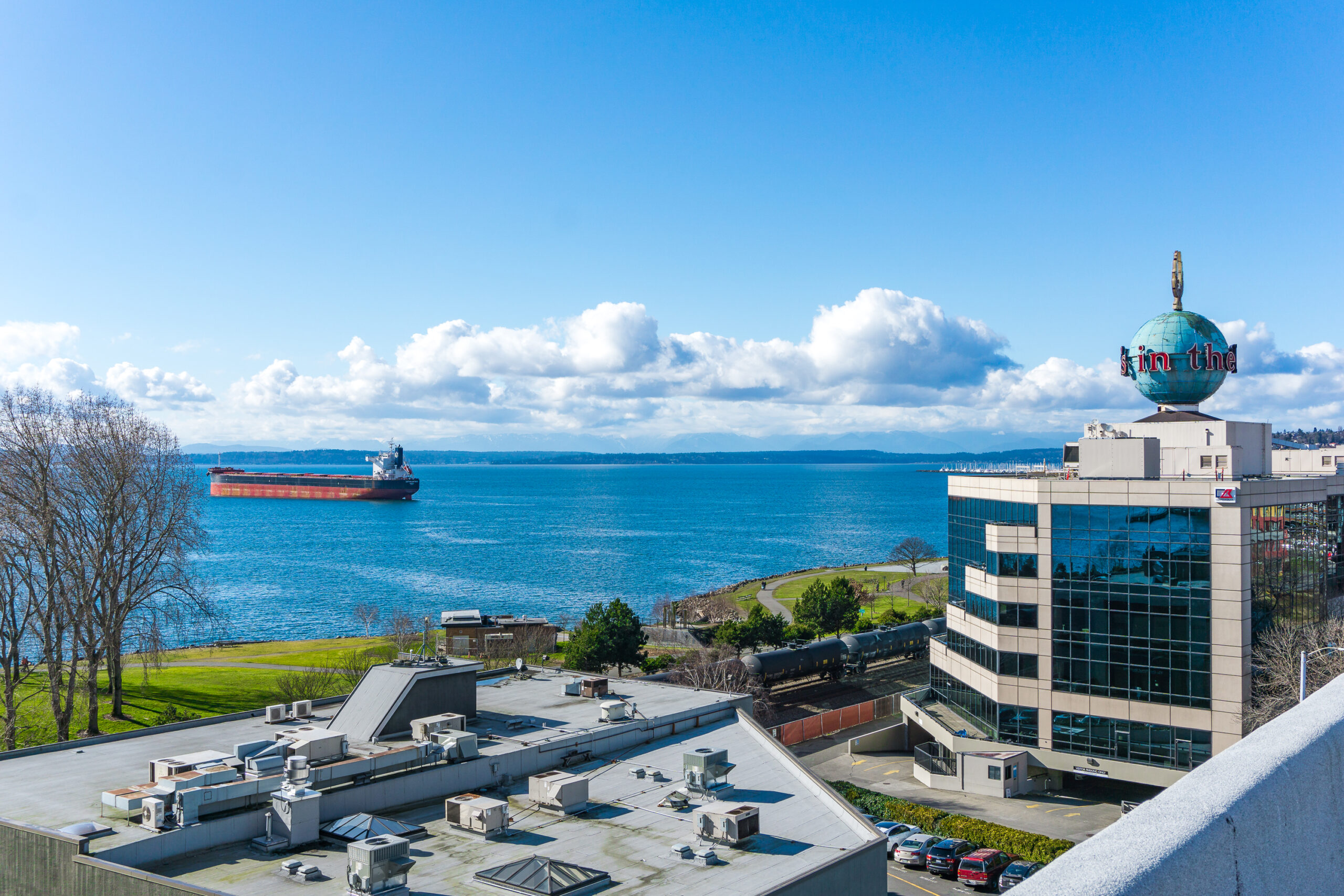
Northwest Work Lofts has been part of Seattle’s working landscape since the Andrews family first opened the historic Northwest Industrial Buildings in the late 1930s. Offering 215,197 rentable square feet across three converted warehouse buildings with soaring ceilings and Elliott Bay views, our affordable work lofts bring together an eclectic community of artists, attorneys, hairstylists, and entrepreneurs in a space that reflects Seattle’s creative and industrial character.
With 80–85% of our spaces already filled, availability is limited — so if you’re looking for flexible workspace in a community that values craftsmanship and authenticity, don’t wait. Ask us about current availability and come see the space for yourself.
