Role of BOMA and Property Management Standards
Renting office or workspace in Seattle involves more than finding the right square footage at the right price. Behind every lease negotiation, every building operating cost disclosure, and every maintenance standard that affects your daily work environment sits a framework of industry practices developed and maintained by BOMA International. Understanding how BOMA standards shape commercial property management in Seattle gives tenants, small business owners, and creative professionals a meaningful advantage when evaluating workspace options across the city.
What BOMA International Is and Why It Matters
BOMA International — the Building Owners and Managers Association — is a nonprofit trade organization founded in 1907 that develops the standards, best practices, and measurement methodologies used across the commercial real estate industry worldwide. In practical terms, BOMA’s influence touches nearly every aspect of how a commercial or mixed-use building is operated, measured, and priced for tenants.
The most consequential of BOMA’s contributions is its floor measurement standard — BOMA 2017 for Office Buildings — which defines how rentable square footage is calculated. Rentable square footage, the figure that appears on your lease and determines your rent, includes not just your usable private space but also a proportional share of common areas like lobbies, hallways, restrooms, and mechanical rooms. That ratio — called the load factor or loss factor — varies from building to building and directly affects how much you pay per square foot of space you can actually use.
Seattle consistently ranks among the highest-cost office markets in the country — a reality that the U.S. General Services Administration reflects in its federal leasing data for the Pacific Northwest region, making load factor awareness particularly important for cost-conscious tenants evaluating workspace options across the city.
How BOMA Standards Affect Seattle’s Commercial Real Estate Market
Seattle’s commercial real estate market operates within one of the most dynamic urban environments in the Pacific Northwest. The city’s tech-driven economy has historically pushed office rents in neighborhoods like South Lake Union, Belltown, and Capitol Hill to levels that put pressure on smaller tenants — creative businesses, independent professionals, nonprofits, and startups that need flexible, affordable space without the overhead of Class A office towers.
The City of Seattle Office of Economic Development tracks commercial real estate conditions and small business support resources across Seattle’s neighborhoods — a locally relevant reference point for tenants evaluating workspace options in areas like Belltown, Capitol Hill, and South Lake Union.
BOMA’s operating expense standards also matter directly for Seattle tenants who pay triple net leases — a lease structure where the tenant pays base rent plus a proportional share of the building’s operating costs including property taxes, insurance, and maintenance. BOMA’s guidelines for what expenses can legitimately be passed through to tenants, and how those expenses must be documented and disclosed, provide a framework that protects tenants from unreasonable cost escalations.
The SBA’s small business leasing guidance notes that commercial lease terms are among the most consequential financial commitments small businesses make, and that understanding what’s included in an operating expense reconciliation is a skill worth developing before signing.
Property Management Standards and What They Mean for Day-to-Day Tenants
BOMA-aligned property management practices establish expectations around building maintenance, responsiveness, common area upkeep, and tenant communication that well-managed Seattle properties meet as a baseline. These aren’t legal requirements — BOMA standards are voluntary industry benchmarks — but they function as a quality signal. Buildings managed according to BOMA best practices tend to maintain consistent common area standards, respond to maintenance requests within defined timeframes, and provide transparent annual operating expense statements.
For Seattle tenants in converted or historic buildings — a significant segment of the city’s creative and small business workspace market — BOMA standards apply with some important nuances. Older industrial buildings repurposed as creative office or studio space may not be measured under the same BOMA methodology as purpose-built Class A towers, and their operating structures often reflect more flexible, community-oriented management approaches.
The Small Business Administration advises small business tenants to review lease measurement methodologies and operating expense definitions carefully before committing — guidance that applies whether you’re in a glass tower in Belltown or a converted warehouse on the waterfront.
What Seattle Tenants Should Evaluate When Touring Workspace
Understanding BOMA standards gives Seattle office and workspace seekers a practical checklist for evaluating any space before signing. When touring potential workspace in Seattle, consider the following:
- How is rentable square footage calculated, and what load factor does the building apply? Ask for the usable square footage separately from the rentable figure.
- Is the lease gross, modified gross, or triple net — and if operating expenses are passed through, what does the building’s historical expense reconciliation look like?
- What are the building’s maintenance response standards, and how are tenant requests tracked and resolved?
- Does the building carry relevant certifications — LEED for sustainability, or BOMA 360 for operational excellence — that signal above-average management quality?
- What common amenities, shared infrastructure, and community programming does the building offer beyond the walls of your individual suite?
These questions cut through marketing language quickly and reveal how a building actually operates for the tenants inside it.

Affordable Seattle Workspace in a Building That Gets the Details Right
Understanding BOMA standards and property management best practices ultimately helps Seattle tenants identify workspace that delivers genuine value — not just attractive photos and a competitive rate. The buildings worth trusting operate transparently, maintain their common areas consistently, and treat tenant relationships as long-term partnerships rather than transactional leases.
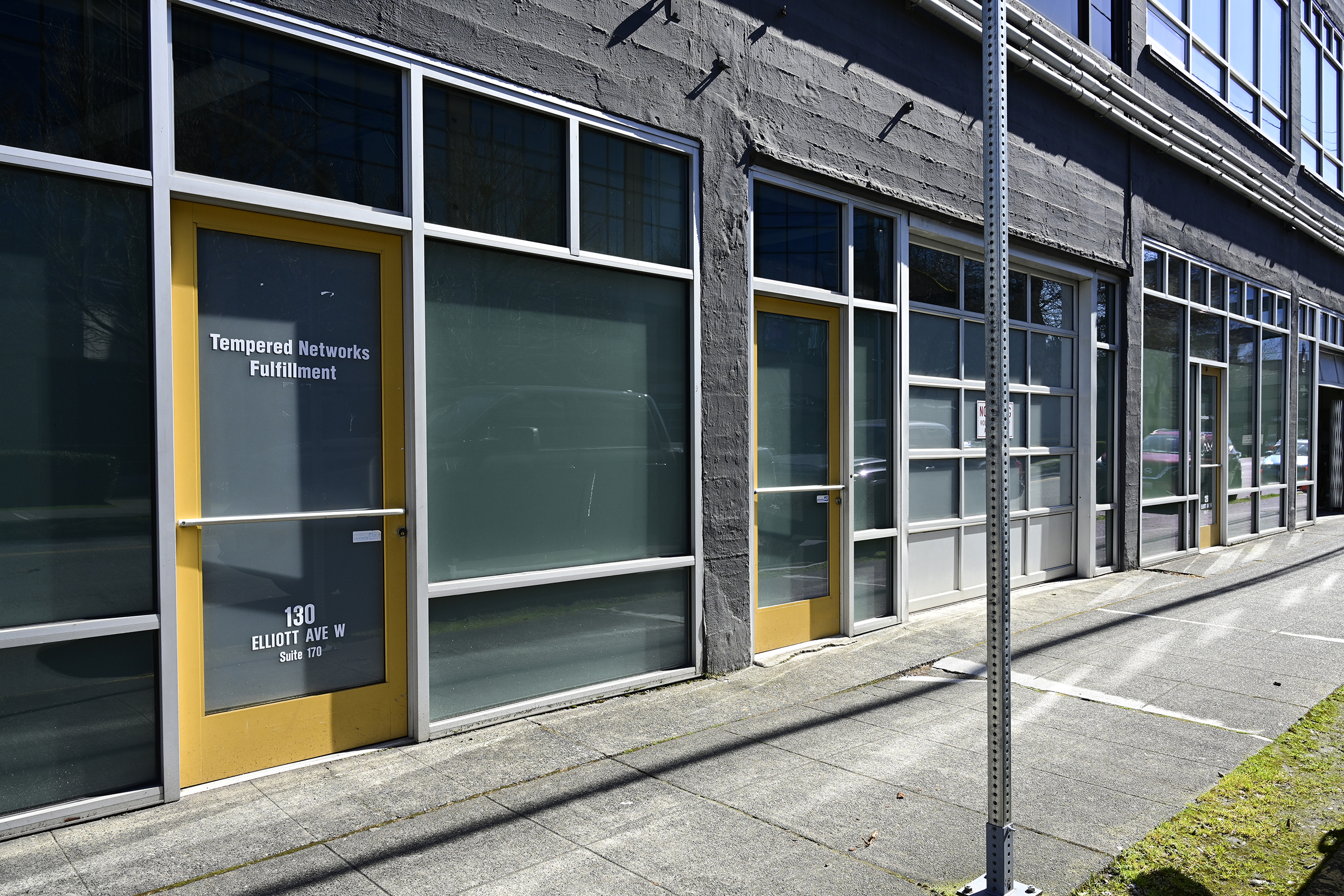
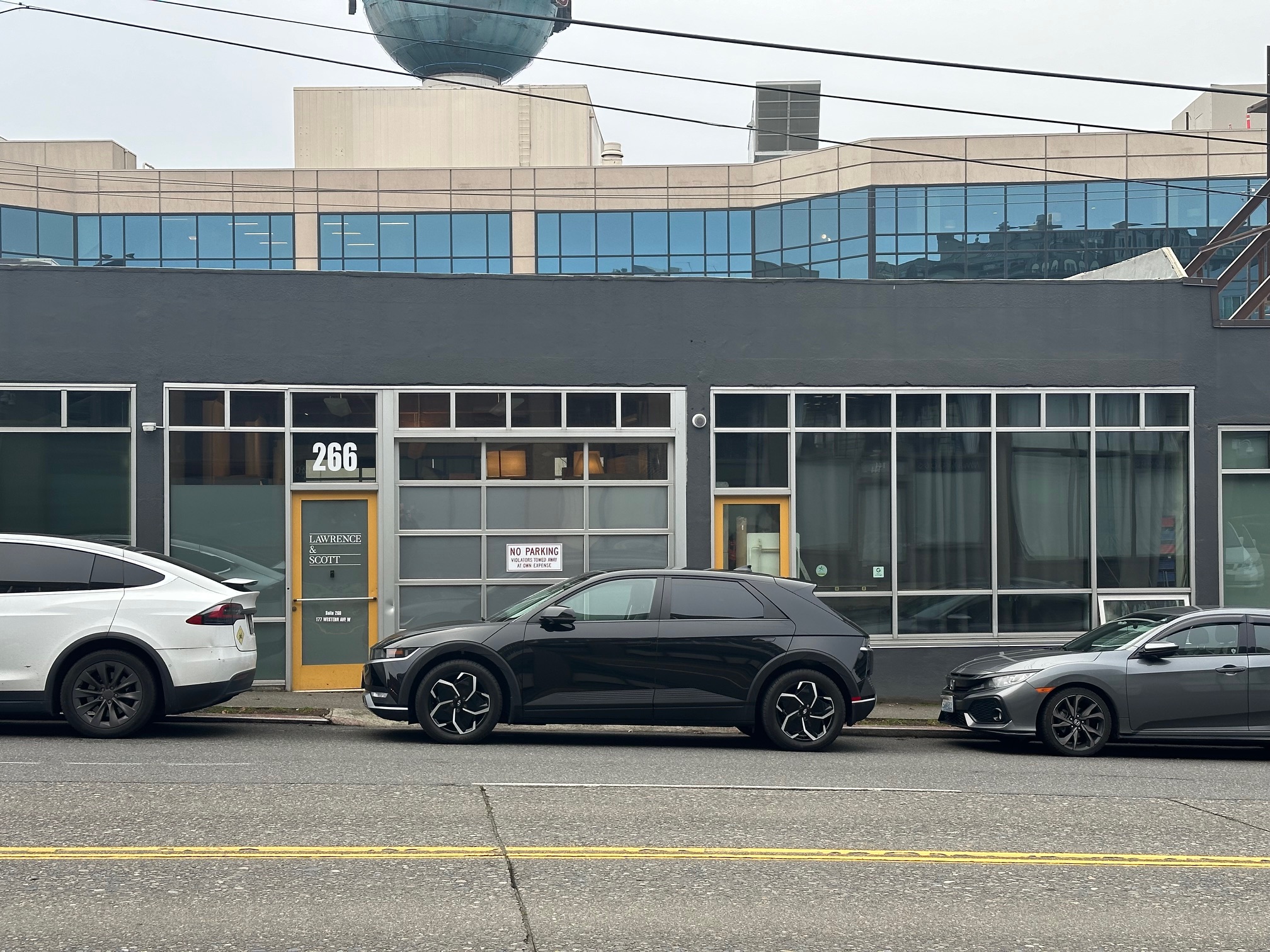
Northwest Work Lofts has operated in Seattle’s historic Northwest Industrial Buildings since the Andrews family first opened them in the late 1930s. Offering 215,197 rentable square feet across three converted warehouse buildings, with soaring ceilings and Elliott Bay views, our affordable work lofts bring together an eclectic community of artists, attorneys, hairstylists, and entrepreneurs in a space that reflects Seattle’s creative and industrial character.
Whether you’re looking for flexible studio or office space in a community that values craftsmanship and authenticity, Northwest Work Lofts offers the kind of workspace that BOMA standards describe but historic buildings actually deliver. Ask us about current availability and find the right space for your business.
