
Capitol Hill’s Small Business Community in Seattle, Washington
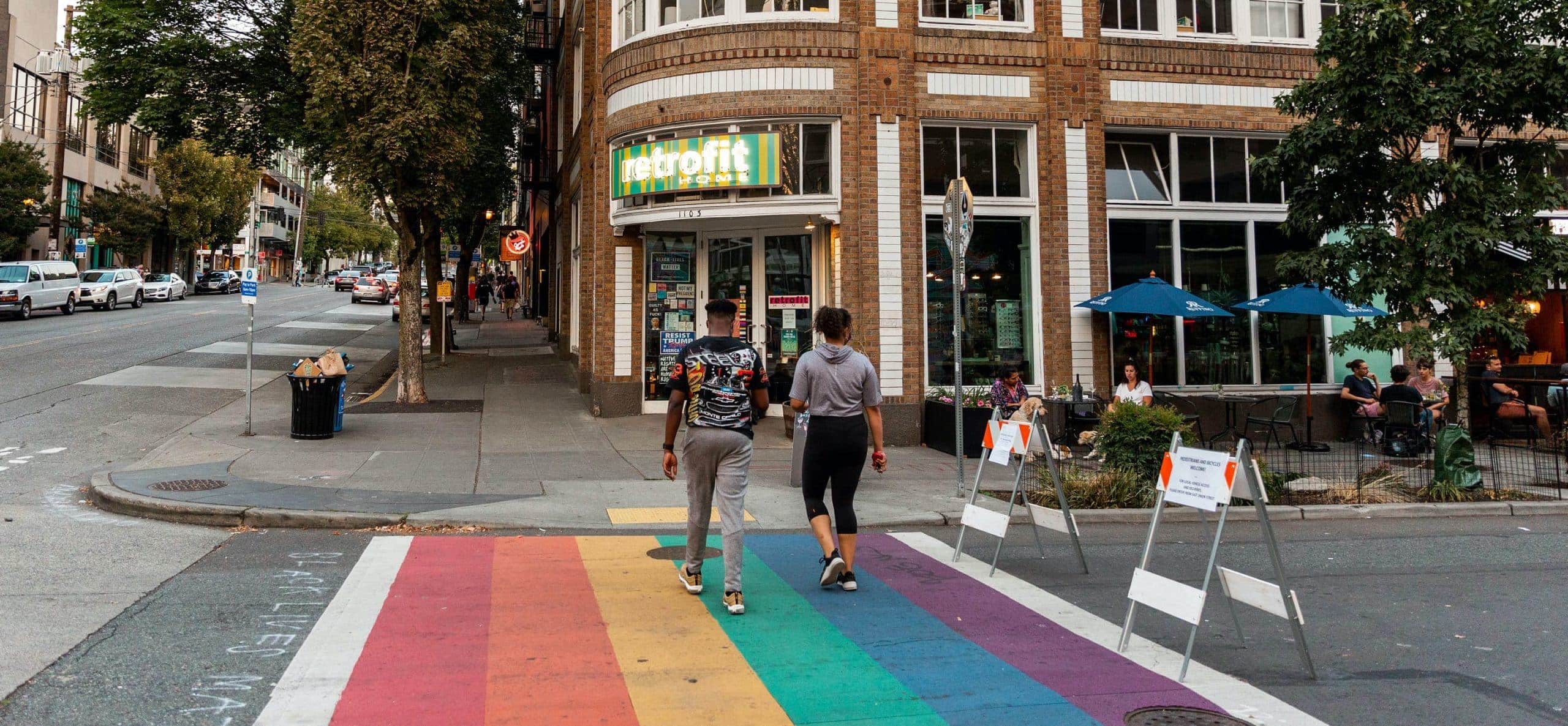
Seattle’s Capitol Hill neighborhood has long occupied a distinctive position in the city’s economic and cultural geography. Situated on a ridge east of downtown between Interstate 5 and the Washington State Convention Center to the west and the Central District to the east, Capitol Hill is one of Seattle’s densest and most walkable urban neighborhoods — a place where independent businesses, creative enterprises, and community organizations have maintained a presence through decades of economic change that reshaped much of the surrounding city.
For Seattle residents, entrepreneurs, and anyone tracking the evolution of King County’s small business landscape, Capitol Hill offers a concentrated case study in how independent commercial activity shapes neighborhood identity and urban resilience.
Intersectionality, Progressive Culture, and the Pike-Pine Corridor
The neighborhood’s small business tradition reflects both its residential density and its history as a center of Seattle’s LGBTQ community, arts scene, and progressive civic culture. These intersecting communities created a sustained demand for independent retail, food and beverage, creative services, and community-serving enterprises that larger commercial developments in less dense parts of the city have never fully replicated.
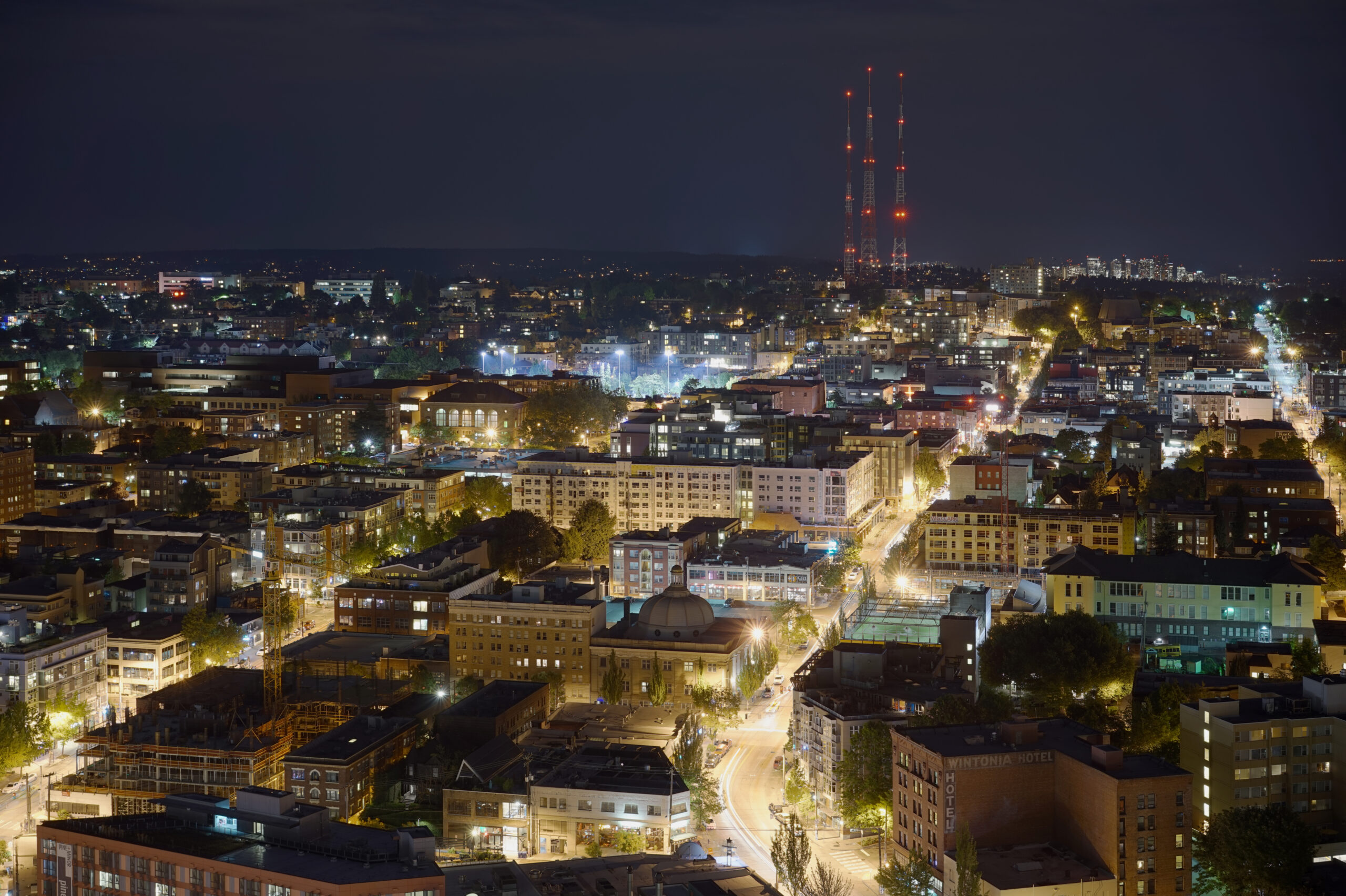
Capitol Hill’s Pike-Pine corridor — the stretch of Pike Street and Pine Street between Broadway and 15th Avenue East — functions as the spine of this independent business ecosystem, and the concentration of storefronts along these blocks represents one of the most commercially active pedestrian corridors in Washington State outside of downtown Seattle proper.
The Pike-Pine Corridor and Its Commercial Character
The corridor’s mix of uses reflects the breadth of Capitol Hill’s independent business community. Coffee shops, independent bookstores, vintage clothing retailers, music venues, restaurants representing cuisines from across the globe, tattoo studios, and creative professional offices coexist within a few blocks in a density of commercial variety that attracts both neighborhood residents and visitors from across the Seattle metropolitan area.
This variety is not incidental — it reflects the deliberate decisions of property owners and business operators who have chosen to maintain Capitol Hill’s independent commercial character against the pressures of rising rents and chain retail expansion that have transformed comparable corridors in other American cities. Capitol Hill’s commercial energy connects directly to similar creative business ecosystems elsewhere in the city — the Fremont creative corridor to the northwest shares Capitol Hill’s emphasis on independent enterprise and neighborhood-rooted commercial identity.
Small Business Regulations and the Seattle Business Environment
Operating a small business in Seattle involves navigating a regulatory environment shaped by both Washington State law and Seattle’s own municipal ordinances — a framework that has evolved substantially in recent years as the city has responded to issues of minimum wage, paid leave, and commercial tenant protections. Seattle’s minimum wage, which now exceeds $20 per hour for all employers following the city’s elimination of the small-employer tier in January 2025, sets a floor for labor costs that affects small business financial planning across Capitol Hill and the broader city.
The City of Seattle Office of Economic Development provides resources and technical assistance to small businesses navigating these requirements, including guidance on licensing, permitting, and access to small business support programs.
Washington State’s Business Licensing Service, administered through the Washington State Department of Revenue, requires all businesses operating in the state to hold a current business license — a requirement that applies to Capitol Hill’s independent businesses regardless of size or structure. The state’s Business and Occupation (B&O) tax, which taxes gross receipts rather than net income, creates a distinctive cost structure for Washington businesses that differs from income-tax-based systems in most other states and requires careful attention from small business owners managing cash flow and pricing decisions.
Seattle’s Climate and Its Effect on Small Business Operations
Seattle’s climate shapes the rhythms of Capitol Hill’s small business community in ways that are fundamental to how independent businesses plan their operations. The city’s marine west coast climate — characterized by mild, wet winters and warm, relatively dry summers — produces the long gray overcast seasons that define Seattle’s reputation but also create predictable seasonal patterns in foot traffic, consumer spending, and business activity. According to NOAA climate data, Seattle averages over 37 inches of annual precipitation, with the majority falling between October and April.
For Capitol Hill’s pedestrian-oriented businesses, the wet season presents specific operational challenges. Outdoor seating — a significant revenue source for restaurants and coffee shops during Seattle’s genuinely excellent summer months from June through September — becomes impractical without weatherproofing infrastructure for much of the year. Retail foot traffic on the Pike-Pine corridor follows a pronounced seasonal pattern, with summer weekends drawing significantly larger crowds than midwinter weekday afternoons.
Experienced Capitol Hill business operators build this seasonality into their financial planning, staffing models, and inventory management in ways that new business owners sometimes underestimate when first entering the market.
The neighborhood’s density provides a partial buffer against weather-related foot traffic decline — Capitol Hill’s residential population, among the highest in Seattle at over 30,000 residents within a roughly one-square-mile area, generates a baseline of neighborhood demand that sustains local businesses through the wet season in ways that more dispersed suburban commercial areas cannot replicate.
Capitol Hill’s Small Business Community After the CHOP/CHAZ Period
Capitol Hill’s small business community experienced a period of significant disruption during the summer of 2020, when a section of the neighborhood became the Capitol Hill Occupied Protest zone — known as CHOP or CHAZ — following protests related to police use of force. The extended occupation of several blocks around Cal Anderson Park and the East Precinct building significantly affected businesses along 12th Avenue and the surrounding streets, with many reporting lost revenue, property damage, and prolonged uncertainty about when normal operations could resume.
The recovery of Capitol Hill’s small business community in the years following that period reflects both the neighborhood’s underlying commercial resilience and the support provided through city and state small business assistance programs. Belltown, another Seattle neighborhood that experienced significant disruption during the same period, has similarly rebuilt its commercial base — the Belltown workspace and lifestyle corridor reflects how Seattle’s urban neighborhoods adapt and reconstitute their commercial identity following periods of acute stress.
The neighborhood’s independent business community has continued to demonstrate the adaptability and community rootedness that has historically defined Capitol Hill’s commercial character through successive periods of disruption and change.
Workspace, Density, and the Future of Capitol Hill’s Business Ecosystem
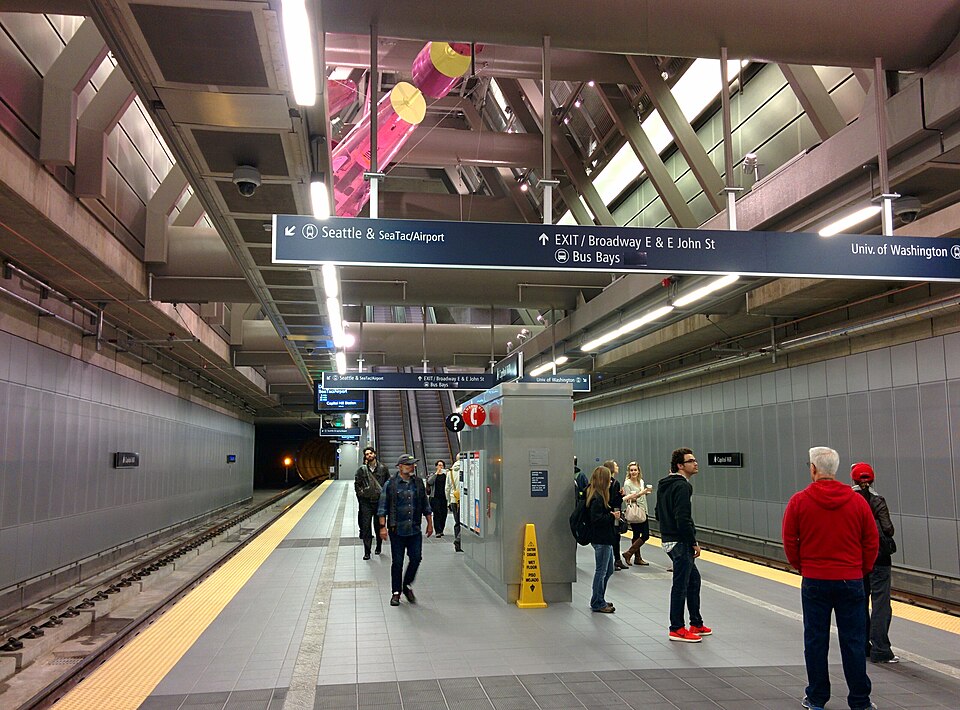
Capitol Hill’s evolution as a small business hub increasingly intersects with the broader growth of Seattle’s knowledge economy and the changing nature of where work happens. The neighborhood’s residential density, transit access — including Link Light Rail service from Capitol Hill Station connecting directly to downtown Seattle, Sea-Tac Airport, and the University of Washington — and concentration of independent businesses make it an attractive base for freelancers, small professional services firms, and creative enterprises that value proximity to both the city’s downtown employment core and the neighborhood’s independent commercial amenity base.
The University District’s proximity reinforces this dynamic — the office and workspace demand growing around the U District reflects the same broader shift in how Seattle’s knowledge workers and small businesses are evaluating neighborhood-based workspace options across the city’s urban core.
The expansion of flexible and shared workspace options within Capitol Hill reflects this demand, providing alternatives to both traditional office leases and home-based work that align with the neighborhood’s character and the working patterns of its business community.


